
Working land ecosystems
Restoring life
to the land.
We work with farmers, landowners and neighbors to help ecosystems recover. At our first Land Lab in Napa Valley, we’re starting with water.
Explore the project
The whole ecosystem
Water, soil, plants and wildlife.
Their future is bound to ours.
We help create the conditions for life to return to working lands. Each place teaches us what it needs. What we learn, we share.

01 / In the field
Conn Valley · Napa County
Conn Creek.
Our first Land Lab.
Above Lake Hennessey, winter runoff has cut two channels deep into a former cattle ranch. Soil washes downhill. Oak roots are left exposed.
In 2025, we partnered with Element 28 to create the Conn Creek Land Lab. Here, we’re testing how structures built by hand from local rock, logs and brush can slow runoff, hold sediment and help the banks recover.
The channels drain toward Lake Hennessey, one of the City of Napa’s drinking-water sources.
structures installed
2025–2026
structures built
in 2026
volunteers
in 2026
workdays together
in 2026
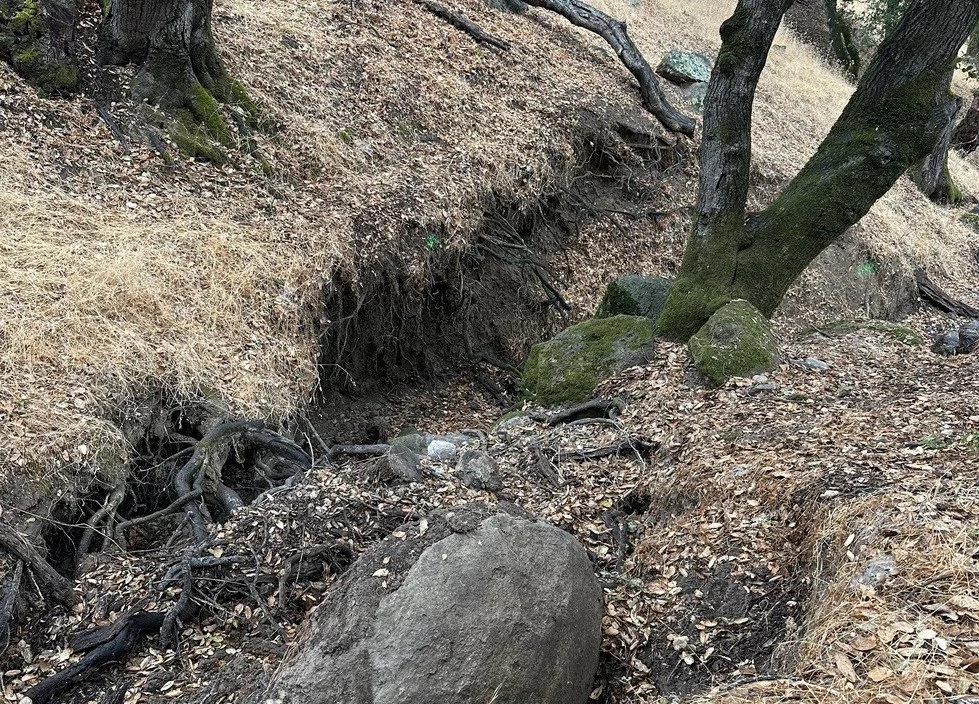 Before construction 02 Sep 2026
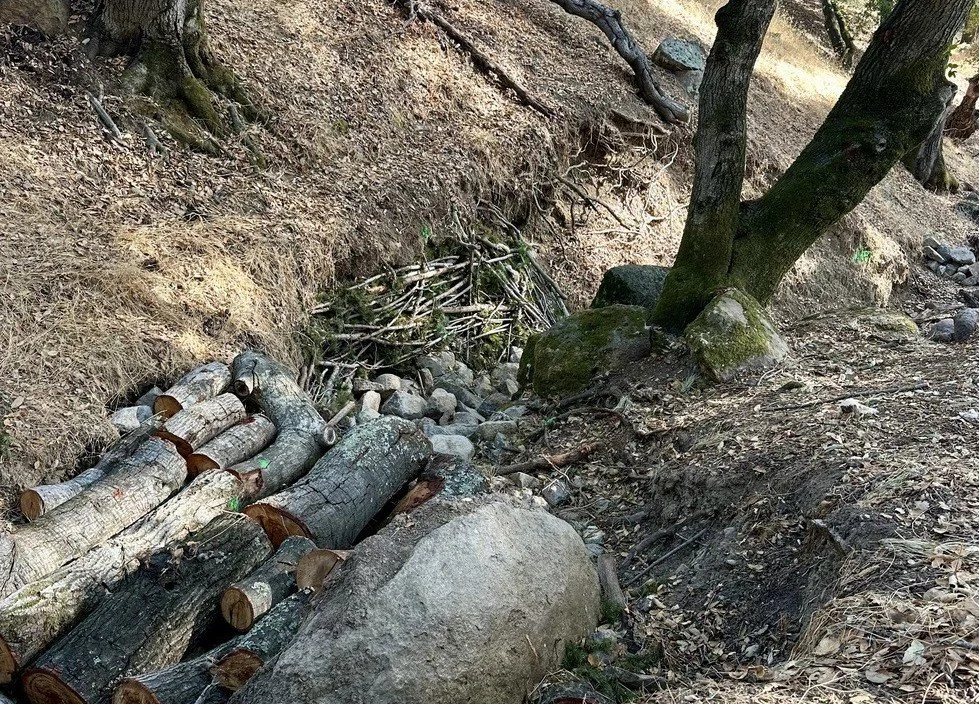 After installation 30 Oct 2026
These photographs document construction. We’ll measure changes in water, soil and vegetation over the years ahead.
Read the field report02 / How restoration begins
Give water time
to soak in.
Small structures interrupt fast runoff. The aim is to help soil and water stay in the landscape long enough for plants and habitat to recover.

Start with the conditions
that life depends on.
01Slow it.
Rock and wood add roughness to the channel, reducing the force of stormwater as it moves downhill.
02Spread it.
As sediment collects, it can help rebuild the channel bed and allow water to reach more of the surrounding soil.
03Sink it.
A slower flow gives water more time to soak into the ground, where roots can reach it.
04Store it.
The goal is to retain moisture in the soil for longer into the dry season. As plants establish, roots and leaf litter can help protect the banks.
An approach shaped by the site, then tested through observation and measurement.
03 / Following the change
Five-year monitoring · 2027–2031
The next chapter
takes time.
We’ll follow how the channels respond through wet winters and dry summers. The findings will guide care at Conn Creek and inform future restoration projects.
The questions we’re asking
Does water stay in the ground longer?
Seven shallow wells track how groundwater rises after rain and changes through the dry season.
Is the creek bed holding sediment?
Forty-five sediment rods help us measure where the bed builds up and where soil continues to wash away.
Are native plants taking hold?
Vegetation surveys and photographs track plant cover, establishment and changes along the banks.
What happens during winter storms?
Time-lapse cameras and water sampling help document flow and the sediment carried by runoff.
17 demonstration structures.
The first season in the field.
93 more structures.
Construction and bank reseeding.
Five years of monitoring.
Learning to guide the next project.
04 / People make it possible
A fellowship rooted
in fieldwork.
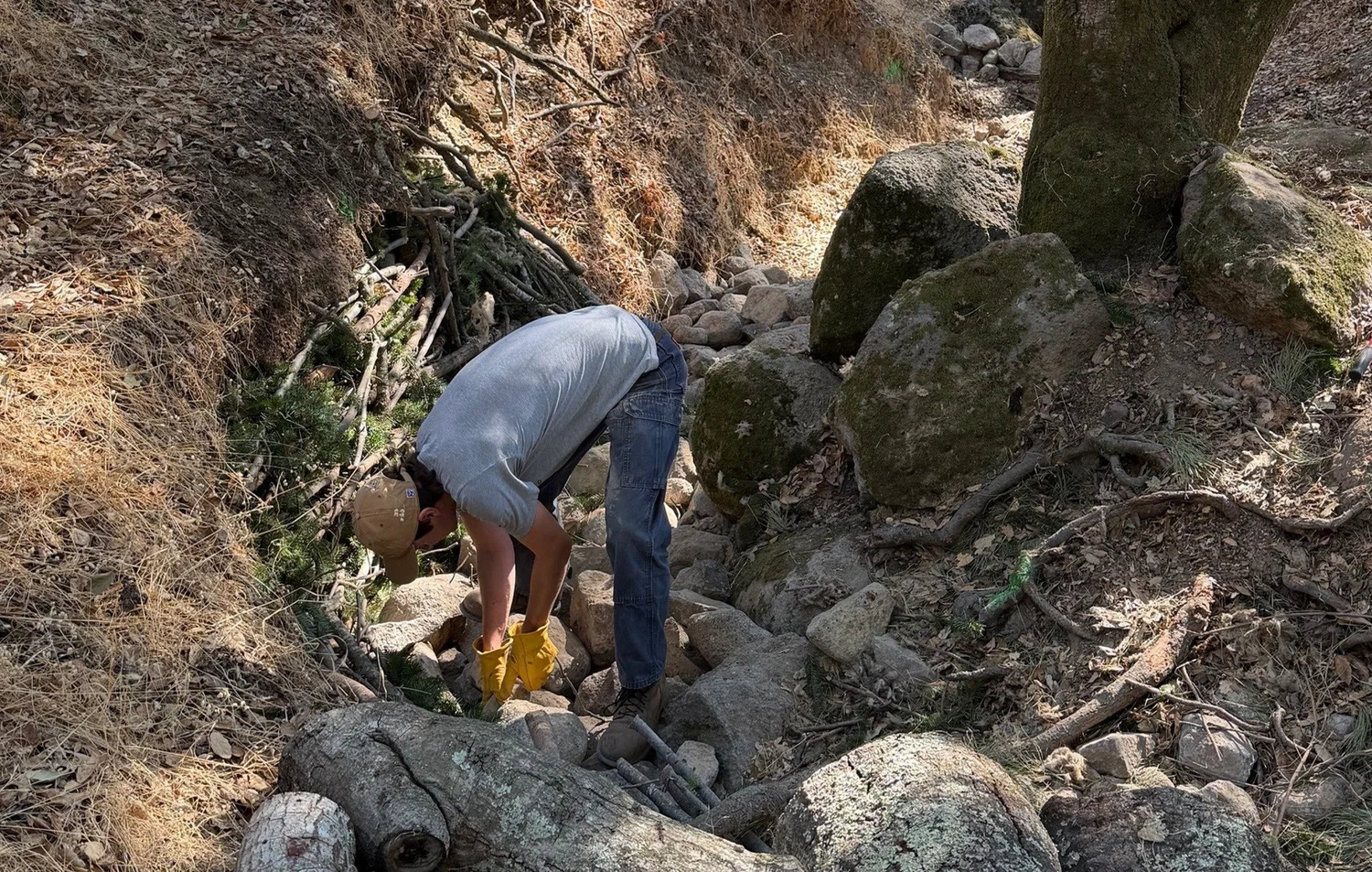
Ellis Allen, our first Ecosystem Restoration Fellow, joined in November 2025. He has helped coordinate workdays, map structures and develop the monitoring program.
The fellowship supports the practical experience and careful observation that restoration requires.
Meet the fellowshipA shared effort
Built with
our neighbors.
Volunteers brought their time and effort. Neighbors contributed rock, wood and brush. Element 28 opened the land to a shared effort to restore it.
That same commitment will carry the work through the seasons ahead.
Ask about volunteering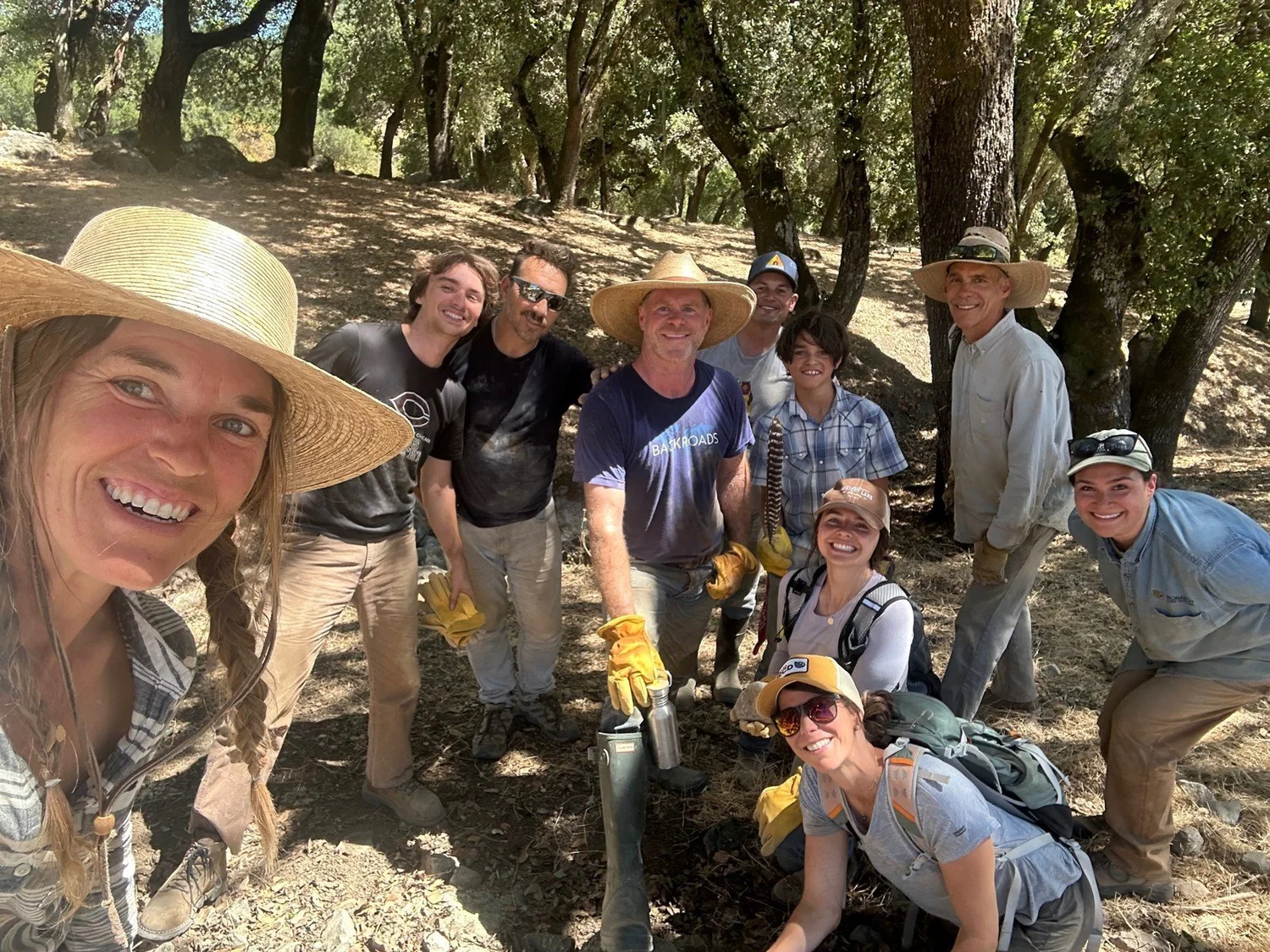
With land, materials and practical support from
Element 28 · Opus One · Land Trust of Napa County · Napa Firewise · Dominus Estate · Piña Vineyard Management
For the land. For those who follow.
Help the work
continue.
Your support keeps people in the field, maintains the structures and helps us learn what the land needs next.
Contribute to fieldwork, monitoring and the fellowship.
Make a giftGive your timeAsk about upcoming opportunities to help in the field.
Volunteer with usExplore a partnershipStart a conversation about restoration on your farm or ranch.
Talk with usFollow the workRead observations and updates from our projects.
Explore field notes